Scout EV Delayed Until 2028: My Honest Thoughts on What This Means
Another week, another EV delay.
This one stings a little more because it would have competed directly with the adventure vehicles we love, the Rivian R1T and R1S.
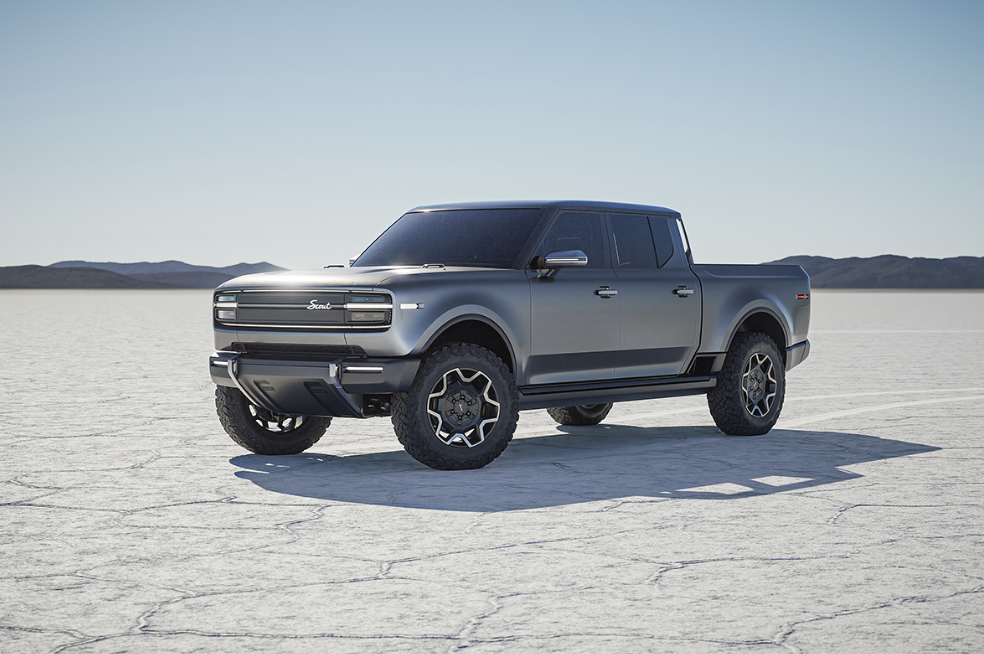
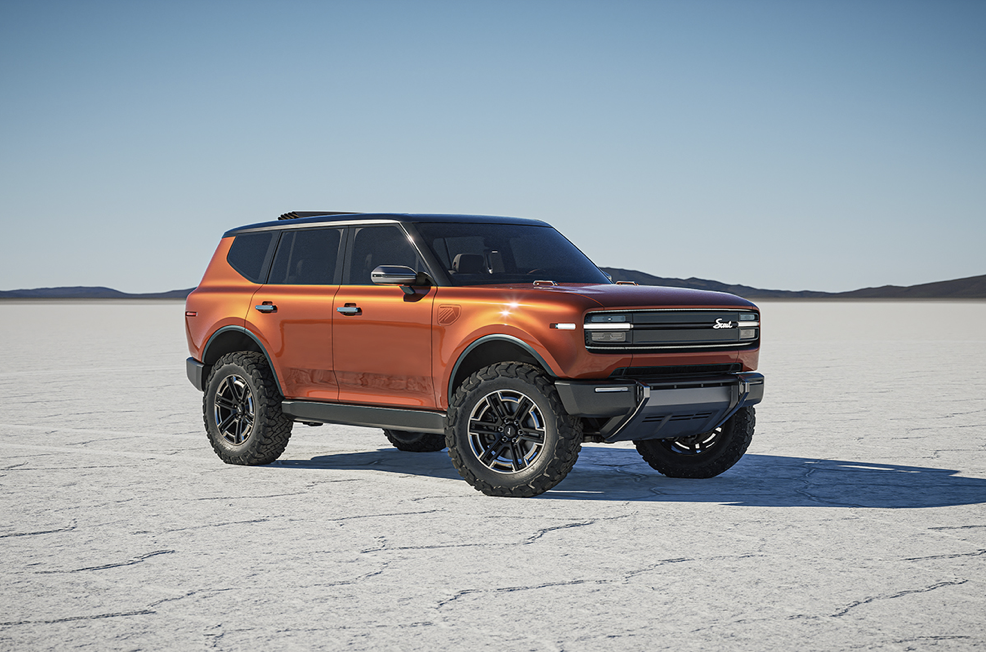
The news broke yesterday via a German newspaper, which cited technical issues and existing financial obligations as reasons production of the new Scout EVs may be pushed to at least 2028.
When Scout’s revival was first announced, I was genuinely excited. A heritage American off road brand coming back as a purpose built electric truck and SUV felt like something special.
But if I am honest, I always had a small pit in my stomach.
I’ve seen enough EV concepts over the past few years to know that announcing a vehicle and actually delivering one are two very different things. It is easy to unveil a prototype under bright lights. It is much harder to build factories, scale production, and deliver thousands of vehicles that people can trust deep in the backcountry.
Part of my hesitation comes from how hard this space really is.
Building an electric adventure vehicle is not the same as building another commuter EV. Expectations are higher. People want real world range. They want off road capability. They want durability. They want reliability when they’re 40 miles off pavement. And they want it all at a price that feels reasonable.
Scout did seem to understand that audience.
They leaned into old school mechanical controls instead of pushing everything onto touchscreens. That detail alone showed they were paying attention to how adventure drivers actually use their vehicles. Gloves on. Dust everywhere. No patience for buried menus.
Still, even with Volkswagen’s scale and legacy, launching a new brand from scratch in today’s EV climate is a massive lift. Supply chains are still volatile. Battery costs remain unpredictable. Capital is tighter than it was three years ago. Consumers are more cautious.
A good litmus test will be how Ford navigates its own EV reset, especially with talk of a more affordable 30,000 dollar truck. If a company with that kind of experience struggles to make the numbers work, it tells you how complex this transition really is.
So while this delay is disappointing, it is not surprising.
If anything, I would rather see Scout take its time and get it right than rush something half finished to market. The adventure community is not forgiving. You get one chance to prove yourself when someone depends on your vehicle miles from cell service.
At the same time, delays like this make me appreciate what Rivian has already accomplished. The R1T and R1S are here. They exist. They are being driven to trailheads and campsites every weekend. That matters.
I still hope Scout makes it.
Competition pushes innovation. More capable electric trucks on the market means better options for all of us who want to explore responsibly.
But until I see production lines running and vehicles shipping, I will keep a small piece of skepticism tucked in my back pocket.
The adventure vehicle space is evolving fast.
And not every comeback story makes it back onto the trail.